
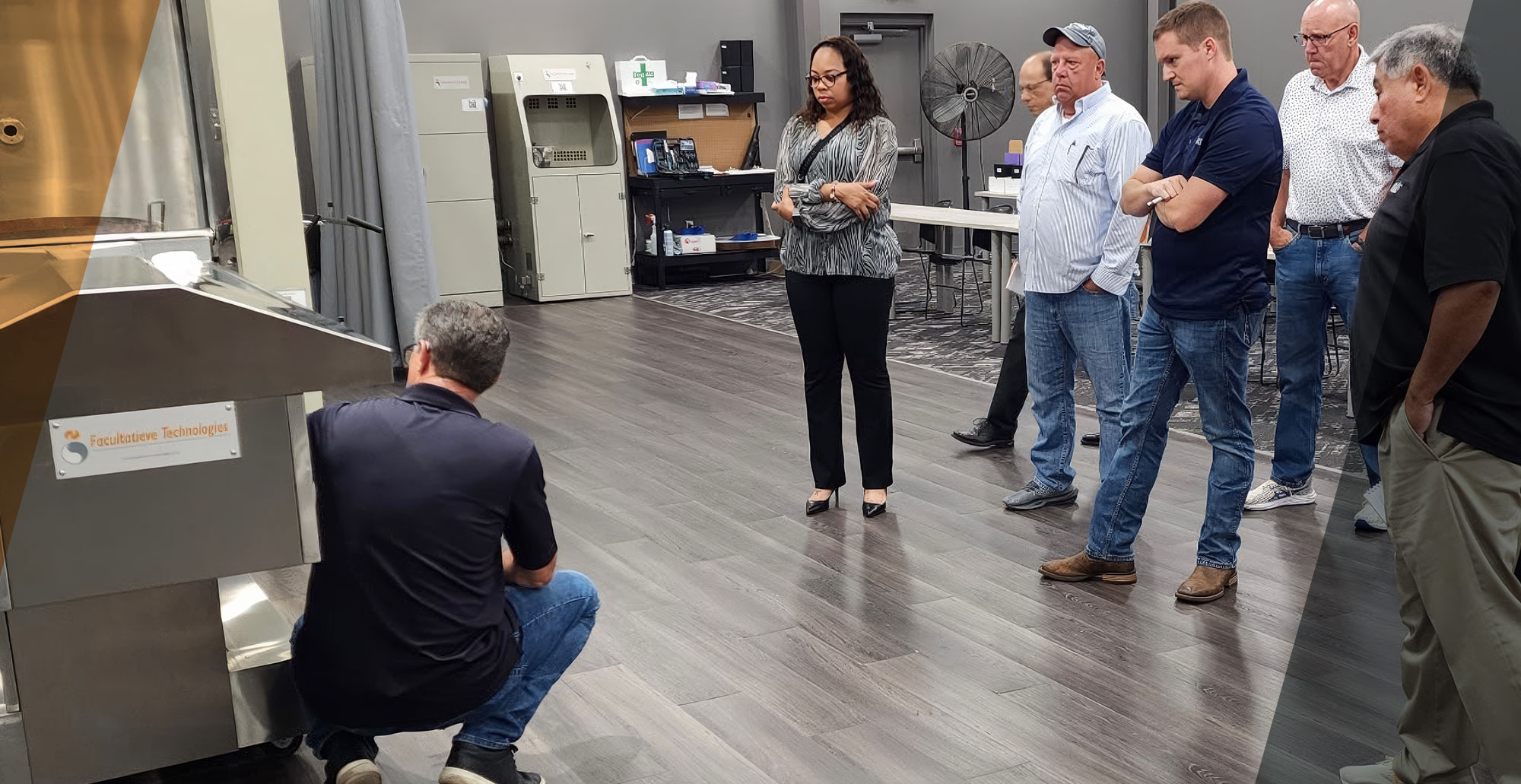
Navigating the cremation business landscape is a precise and detail-oriented job and FT is always here to help. Whether it’s by guiding you to the machine that’s right for your business, aiding with technology once you have a machine onsite or by helping you prepare with videos and information, FT has your back.
If you’re just dipping your toe into the world of owning or enhancing your cremation business, we recommend taking a bit of time to watch our Cremation College Video Series on YouTube. The videos are short, clear explanations of the main topics and important points that will help you excel.
Getting Started: What Do You Need to Start a Cremation Business?
- Selecting equipment
- Understanding infrastructure
- Emissions standards
- Staff training
- Adding pet services
Regulations: What Licenses & Permits Do You Need?
- Navigating the regulatory landscape
- Environmental, zoning and building permits
- Crematory operational licensing
Timing: How Long Does the Cremation Process Take?
- FT’s advanced cremation systems
- Cremation chamber temperature
- Body composition and size
- Cremation equipment and system design’s role
- Cooling and post processing
Inner workings: What Powers a Cremation Retort?
- Natural gas and propane
- Electric cremation systems
- What happens during a power outage?
- Best practices for ensuring operational reliability
The Details: Do Pacemakers Need to be Removed Before Cremation?
- Why pacemakers pose a risk
- Steps for handling pacemakers and other devices
- Educating families and training staff
- Safe disposal of devices
What Funeral Homes Need to Know: Cremation Emissions & Environmental Compliance
- Clean Air Act
- State and local regulations
- Securing permits
- FT’s advanced systems
Facilities: How Much Space do you Need to Start a Crematory?
- Optimizing layout
- Space and clearance requirements for a cremation retort
- Ventilation and equipment access
- Operator work area and administrative areas
Costs: What Does it Cost to Run a Crematory?
- Utilities
- Maintenance
- Staffing
- Insurance
- Emissions testing
Volume: How Many Cremations Can You Perform Per Day?
- Cremation cycle time
- Equipment design and efficiency
- Workflow and scheduling
- Operator experience
Best Practices: What Training do Crematory Operators Need?
- Certification programs
- State-specific licensing
- On the job training and continuing education
We truly hope our Cremation College series functions as a resource offering you actionable guidance and helps you to grow your business faster, operate smarter and uphold the highest standards in the cremation industry. Get in touch with us today with questions or if you’re ready to discuss the future of your business.